
Does collagen protein cause constipation? This is a question many have been asking due to the rising popularity of collagen sachet supplements in the wellness industry. With collagen taking centre stage in the quest for improved health, it's vital to understand its relationship with digestive health and the potential side effects accompanying its use, particularly whether it can result in digestive concerns such as constipation.
Understanding Collagen and Digestive Health
As a crucial protein, collagen makes up a large portion of our body's skin, bones, tendons, and other vital tissues. Advances in research are increasingly exploring how marine collagen interacts with gut health. The big question that emerges is: can collagen cause digestive issues?
Generally speaking, integrating collagen into your diet is believed to be beneficial for the gut, potentially enhancing the integrity of the gut lining. However, individual responses to collagen supplementation can vary greatly.
Can Collagen Cause Digestive Issues?
Some individuals may experience minor digestive issues when first incorporating collagen supplements into their daily routine. These include:
- Constipation – There are accounts of users feeling constipated after starting collagen supplements, which might be related to dietary changes or the body's acclimatisation to the new protein.
- Gas and Bloating – An increase in collagen consumption can sometimes lead to temporary bloating and gas.
- Diarrhoea – In specific instances, a swift increase in protein intake, particularly excessive amounts, might upset the digestive system.
It's essential to understand these potential consequences to manage and evaluate how your body reacts to collagen supplementation effectively.

Benefits of Collagen for Digestion
Even with these potential side effects, understanding the benefits of collagen for digestion is equally important. The advantages include:
- Supporting gut healing by maintaining the intestinal lining's strength, potentially reducing leaky gut syndrome.
- Improving digestion and nutrient absorption.
- Supplying amino acids crucial for gastrointestinal health.
Collagen's positive impact on digestion makes it a valuable addition to many dietary regimes, particularly when consumed as a collagen drink.
Side Effects of Collagen Supplements
With every supplement, there are positives and negatives to consider, and collagen protein is no exception. The side effects that may arise include:
- Constipation
- Increased appetite
- Occasional allergic reactions
For those struggling with constipation after taking collagen, finding a suitable collagen constipation remedy can be helpful.
Collagen Constipation Remedy
If you experience digestive discomfort from collagen intake, try the following remedies:
- Drink more water - Staying well-hydrated can significantly reduce constipation.
- Incorporate more fibre - Eating whole grains, fruits, and vegetables can promote regular bowel movements.
- Avoid excess doses - Start with smaller amounts of collagen and gradually increase the intake.
Implementing these strategies will help you seamlessly incorporate snail serum into your diet whilst minimising digestive disturbances.
Why Choose Benjamin Button’s Collagen Products?
When choosing a collagen supplement, quality products that deliver results without unwanted digestive issues are paramount.
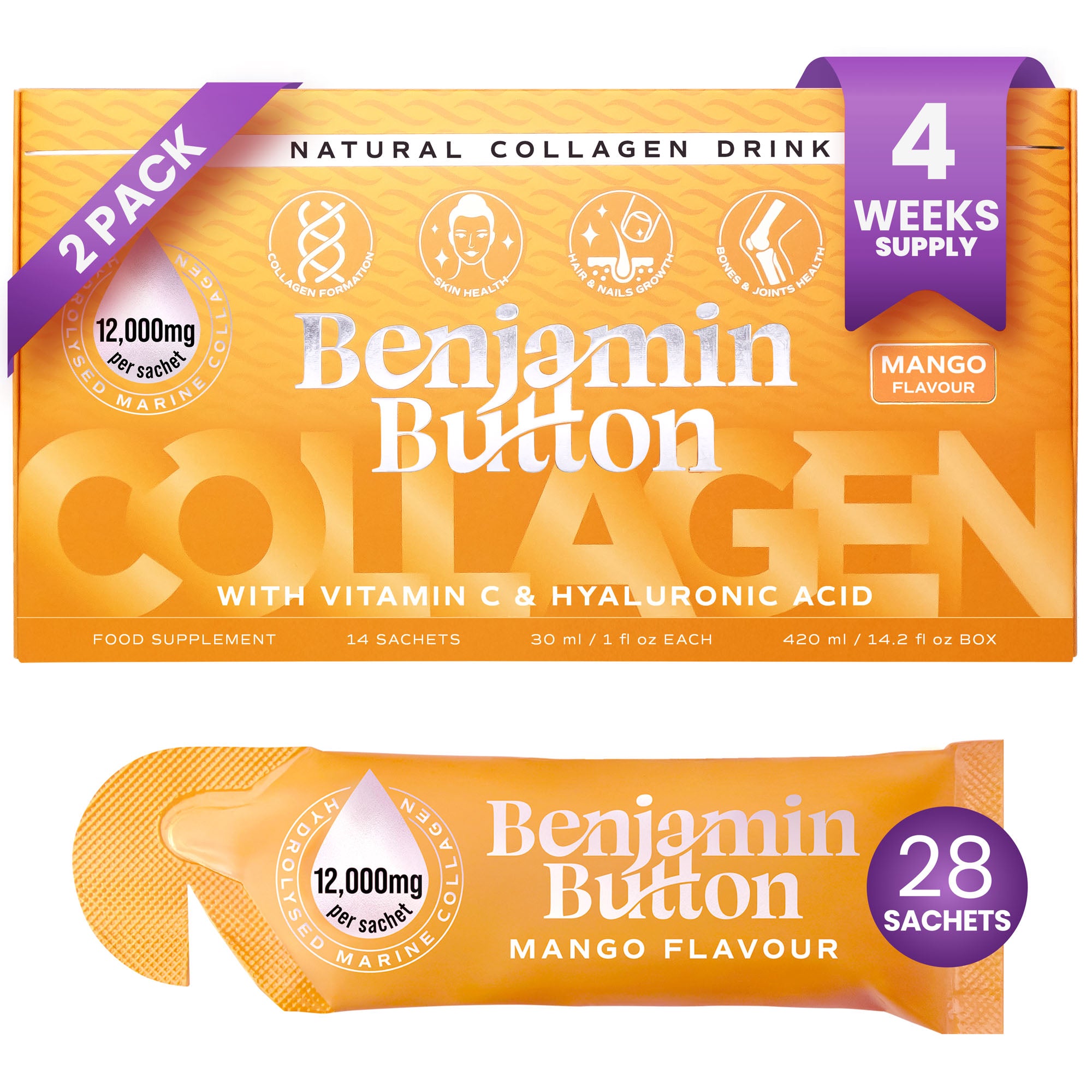
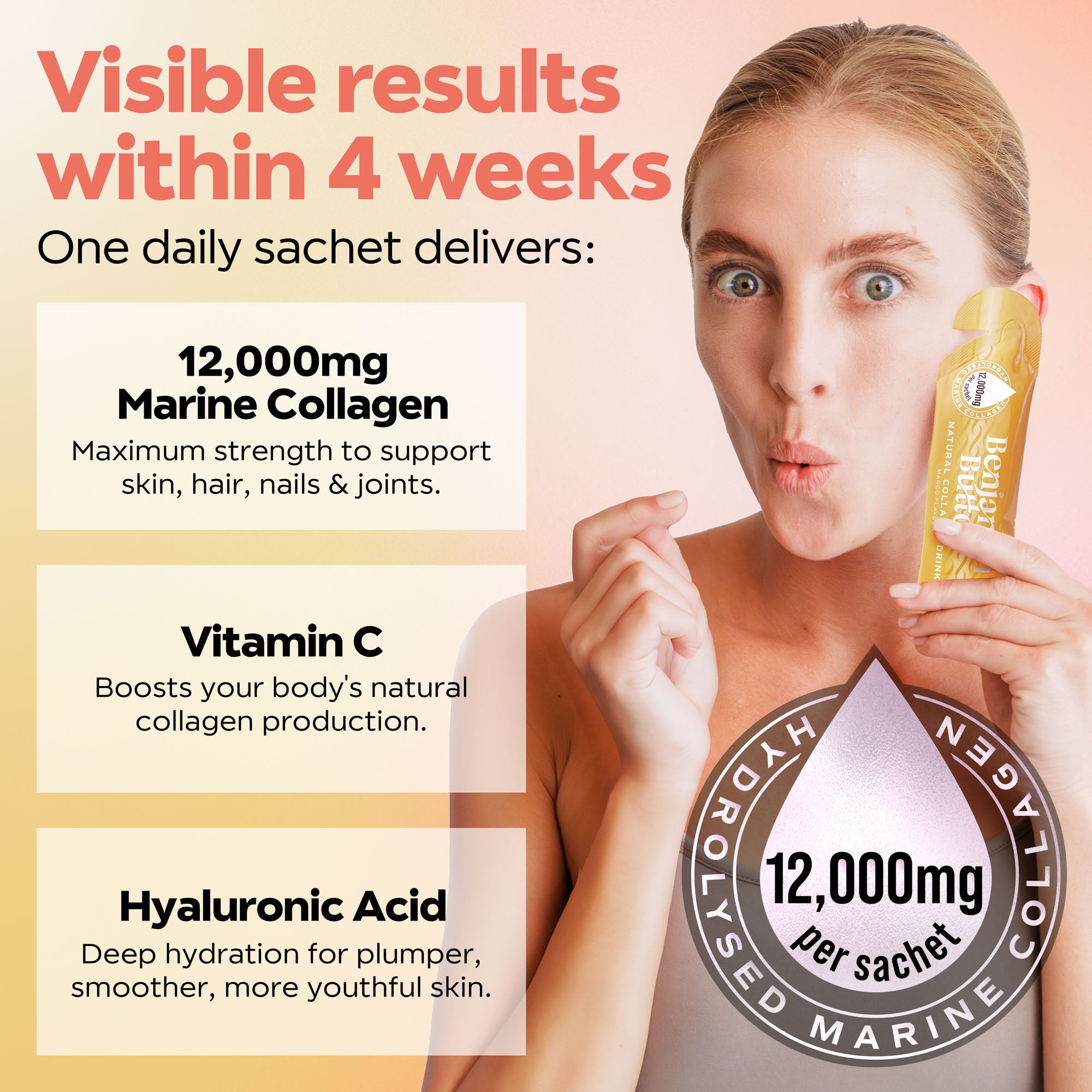
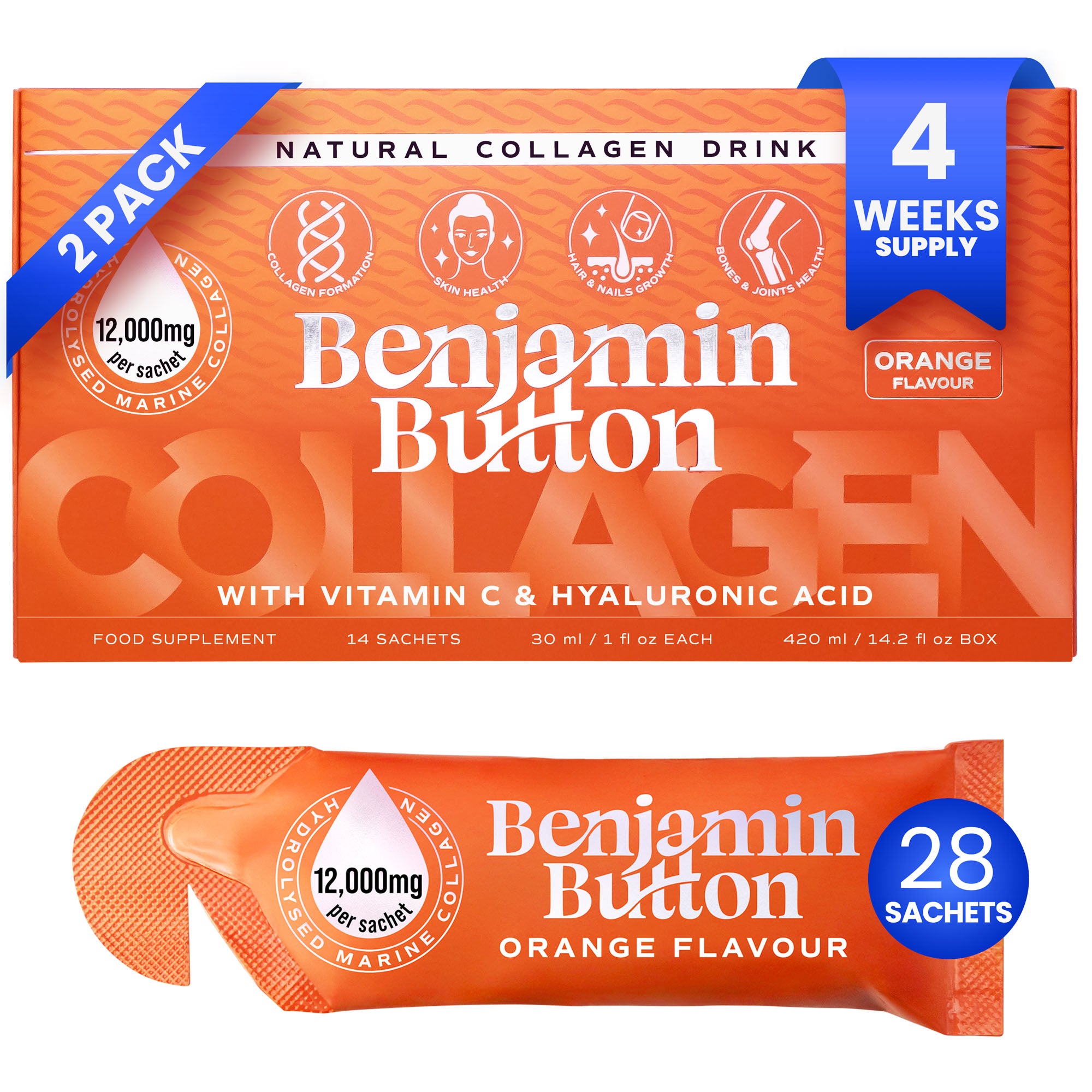
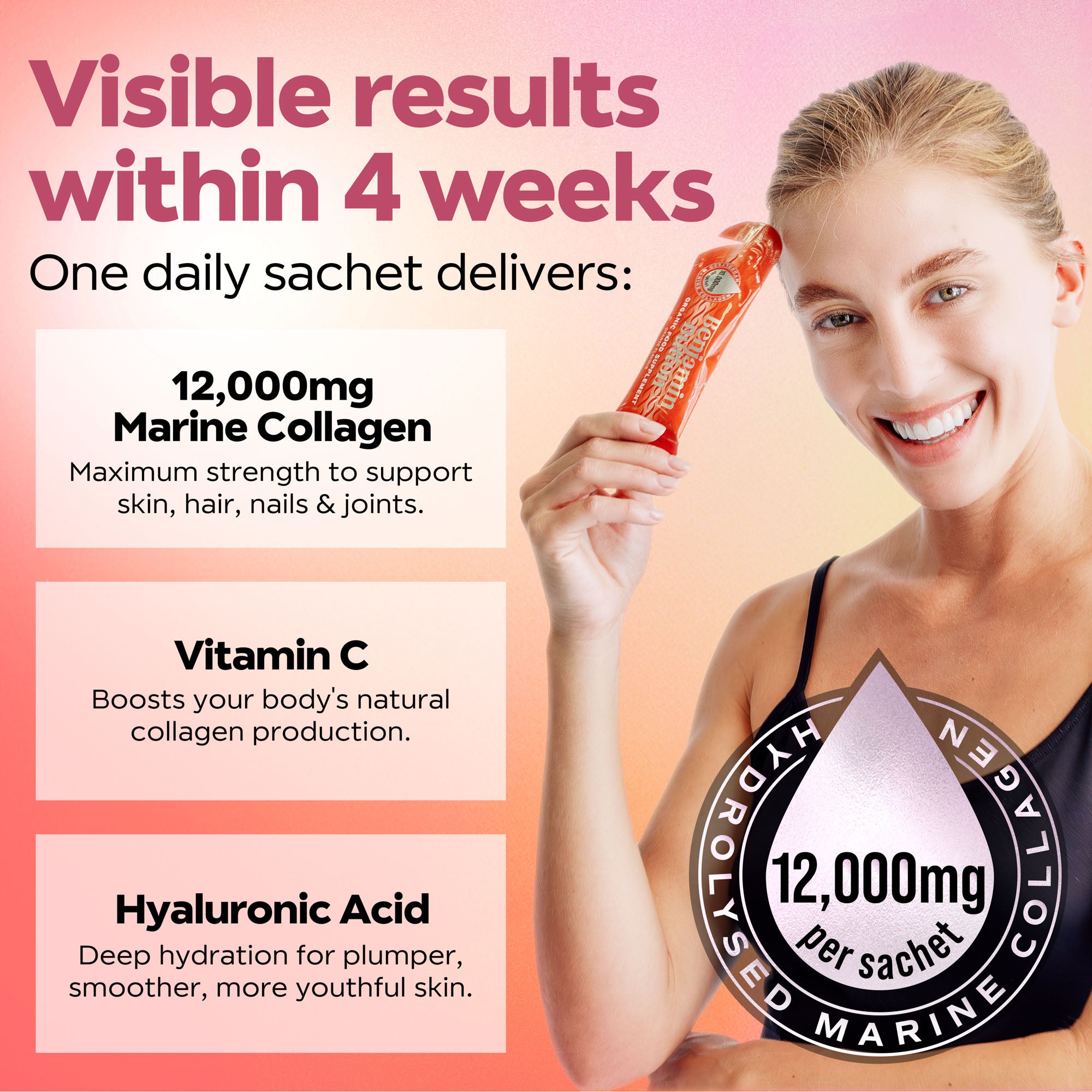
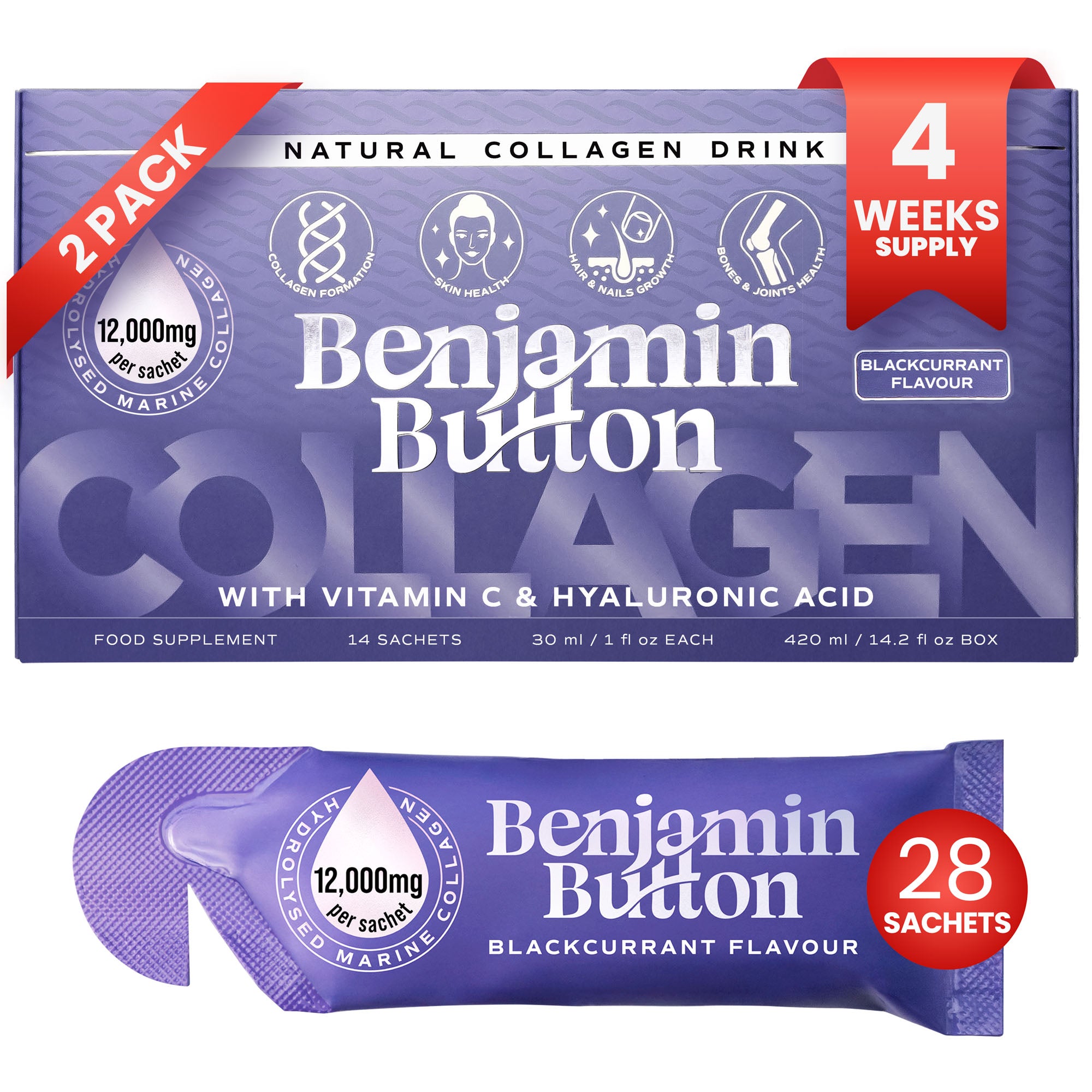
Benjamin Button’s 10,000mg Hydrolysed Marine Liquid Collagen is outstanding for several reasons:
- It contains 10,000mg of hydrolysed marine collagen per serving for maximum absorption and effectiveness.
- It comes in enticing flavours such as mango, orange, and blackcurrant, making it a delightful part of your daily regimen.
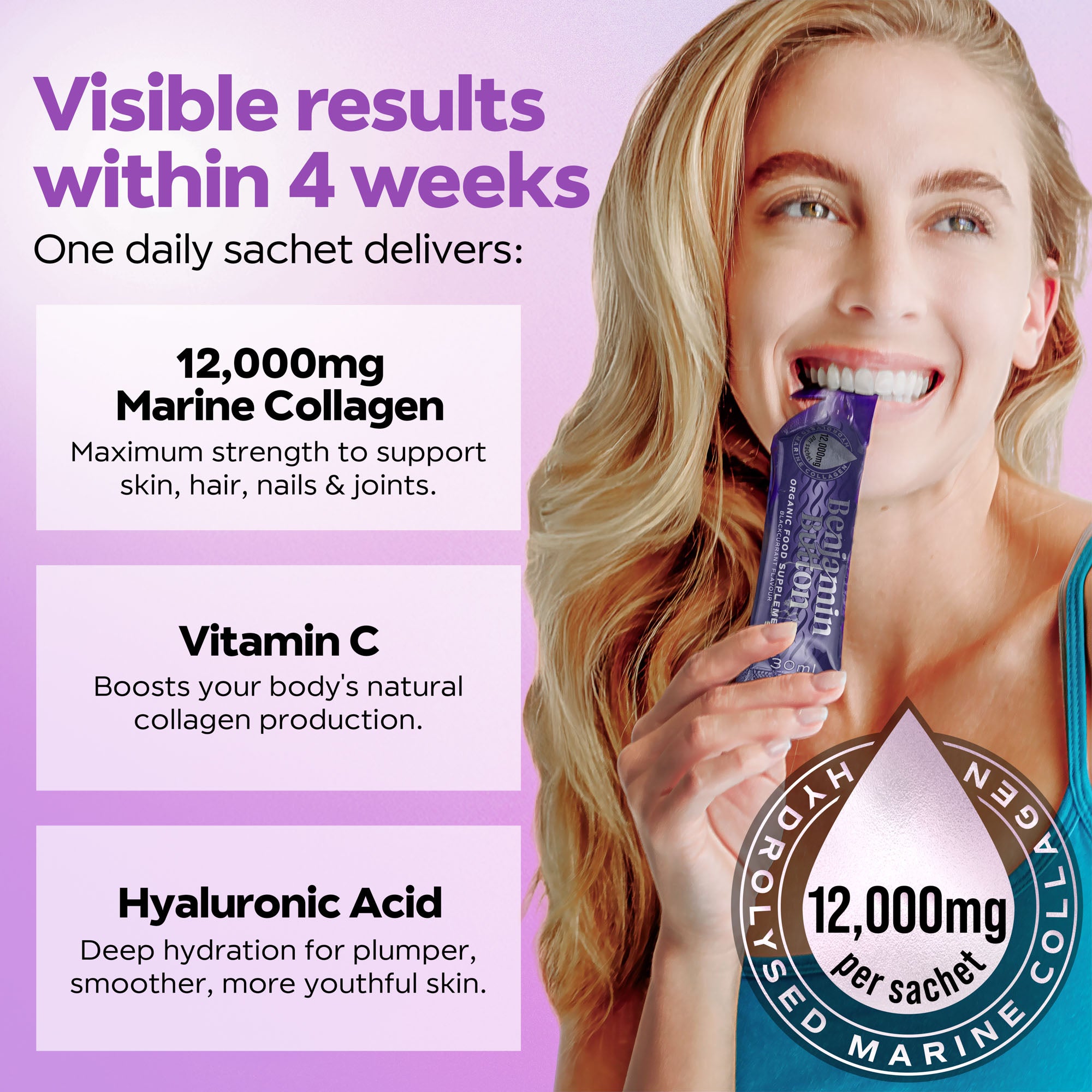
- Incorporating 60mg of Vitamin C enhances collagen synthesis and boosts the immune system.
- The addition of sodium hyaluronate promotes skin hydration and elasticity.
- Its liquid form enables a significantly high absorption rate of up to 95% within a 30-minute window, ensuring rapid benefits to health.
Clearly, Benjamin Button’s collagen not only provides exceptional effectiveness but also reduces the chance of digestive upset, making it a superior choice for collagen supplementation.
Conclusion
Whilst the debate about does collagen protein cause constipation continues, it is vital to weigh these concerns against the considerable benefits of collagen. For those aiming to improve digestive health in tandem with the many other benefits that collagen offers, Benjamin Button’s 10,000mg Hydrolysed marine collagen is the epitome of a superb, effective, and tasty supplement choice.
For anyone striving to enhance their health and wellness, consider choosing Benjamin Button for a product that harmonises with your body's natural needs, ensuring you feel your utmost best, inside and out.
Does collagen protein cause constipation? This is a question many have been asking due to the rising popularity of collagen supplements in the wellness industry. With collagen taking centre stage in the quest for improved health, it's vital to understand its relationship with digestive health and the potential side effects accompanying its use, particularly whether it can result in digestive concerns such as constipation.
Understanding Collagen and Digestive Health
As a crucial protein, collagen makes up a large portion of our body's skin, bones, tendons, and other vital tissues. Advances in research are increasingly exploring how collagen interacts with gut health. The big question that emerges is: can collagen cause digestive issues?
Generally speaking, integrating collagen into your diet is believed to be beneficial for the gut, potentially enhancing the integrity of the gut lining. However, individual responses to collagen supplementation can vary greatly.
Can Collagen Cause Digestive Issues?
Some individuals may experience minor digestive issues when first incorporating collagen supplements into their daily routine. These include:
- Constipation – There are accounts of users feeling constipated after starting collagen supplements, which might be related to dietary changes or the body's acclimatisation to the new protein.
- Gas and Bloating – An increase in collagen consumption can sometimes lead to temporary bloating and gas.
- Diarrhoea – In specific instances, a swift increase in protein intake, particularly excessive amounts, might upset the digestive system.
It's essential to understand these potential consequences to manage and evaluate how your body reacts to collagen supplementation effectively.

Benefits of Collagen for Digestion
Even with these potential side effects, understanding the benefits of collagen for digestion is equally important. The advantages include:
- Supporting gut healing by maintaining the intestinal lining's strength, potentially reducing leaky gut syndrome.
- Improving digestion and nutrient absorption.
- Supplying amino acids crucial for gastrointestinal health.
Collagen's positive impact on digestion makes it a valuable addition to many dietary regimes.
Side Effects of Collagen Supplements
With every supplement, there are positives and negatives to consider, and collagen protein is no exception. The side effects that may arise include:
- Constipation
- Increased appetite
- Occasional allergic reactions
For those struggling with constipation after taking collagen, finding a suitable collagen constipation remedy can be helpful.
Collagen Constipation Remedy
If you experience digestive discomfort from collagen intake, try the following remedies:
- Drink more water - Staying well-hydrated can significantly reduce constipation.
- Incorporate more fibre - Eating whole grains, fruits, and vegetables can promote regular bowel movements.
- Avoid excess doses - Start with smaller amounts of collagen and gradually increase the intake.
Implementing these strategies will help you seamlessly incorporate collagen into your diet whilst minimising digestive disturbances.
Why Choose Benjamin Button’s Collagen Products?
When choosing a collagen supplement, quality products that deliver results without unwanted digestive issues are paramount.
Benjamin Button’s 10,000mg Hydrolysed Marine Liquid Collagen is outstanding for several reasons:
- It contains 10,000mg of hydrolysed marine collagen per serving for maximum absorption and effectiveness.
- It comes in enticing flavours such as mango, orange, and blackcurrant, making it a delightful part of your daily regimen.
- Incorporating 60mg of Vitamin C enhances collagen synthesis and boosts the immune system.
- The addition of sodium hyaluronate promotes skin hydration and elasticity.
- Its liquid form enables a significantly high absorption rate of up to 95% within a 30-minute window, ensuring rapid benefits to health.
Clearly, Benjamin Button’s collagen not only provides exceptional effectiveness but also reduces the chance of digestive upset, making it a superior choice for collagen supplementation.
Conclusion
Whilst the debate about does collagen protein cause constipation continues, it is vital to weigh these concerns against the considerable benefits of collagen. For those aiming to improve digestive health in tandem with the many other benefits that collagen offers, Benjamin Button’s 10,000mg Hydrolysed Marine Liquid Collagen is the epitome of a superb, effective, and tasty supplement choice.
For anyone striving to enhance their health and wellness, consider choosing Benjamin Button for a product that harmonises with your body's natural needs, ensuring you feel your utmost best, inside and out.
Frequently Asked Questions
Does collagen make you poop more?
Collagen can help improve digestion and nutrient absorption, potentially leading to more regular bowel movements for some individuals.
Can I take collagen if I have a sensitive stomach?
Yes, many people with sensitive stomachs find collagen easy to digest. However, it's best to start with smaller doses to assess your body's response.
What are the long-term effects of taking collagen?
Long-term use of collagen is generally considered safe and may lead to improved skin elasticity, joint health, and enhanced gut health.
How much collagen should I take to avoid constipation?
To avoid constipation, it's advisable to start with a lower dosage of collagen, such as 5,000mg, and gradually increase as your body adjusts.
Does dietary collagen help with leaky gut?
Yes, dietary collagen may support the healing of the gut lining, which can help address leaky gut syndrome.